In brief: A Kansa bowl foot massage is done in the evening with warm oil and a Kansa Vatki, a small bowl of bronze. Oil one foot, move the dome of the bowl in slow circles over the sole from heel to toes, around the ankle and along the base of the toes, then repeat on the other foot: five to ten minutes per foot. This page shows the ritual step by step, with the right oil, timing and care.
Kansa Vatki lábmasszázs: az esti rituálé lépésről lépésre
Ellenőrizte Anu Joy, MD (Ayurveda), az Art of Vedas ájurvédikus orvosa
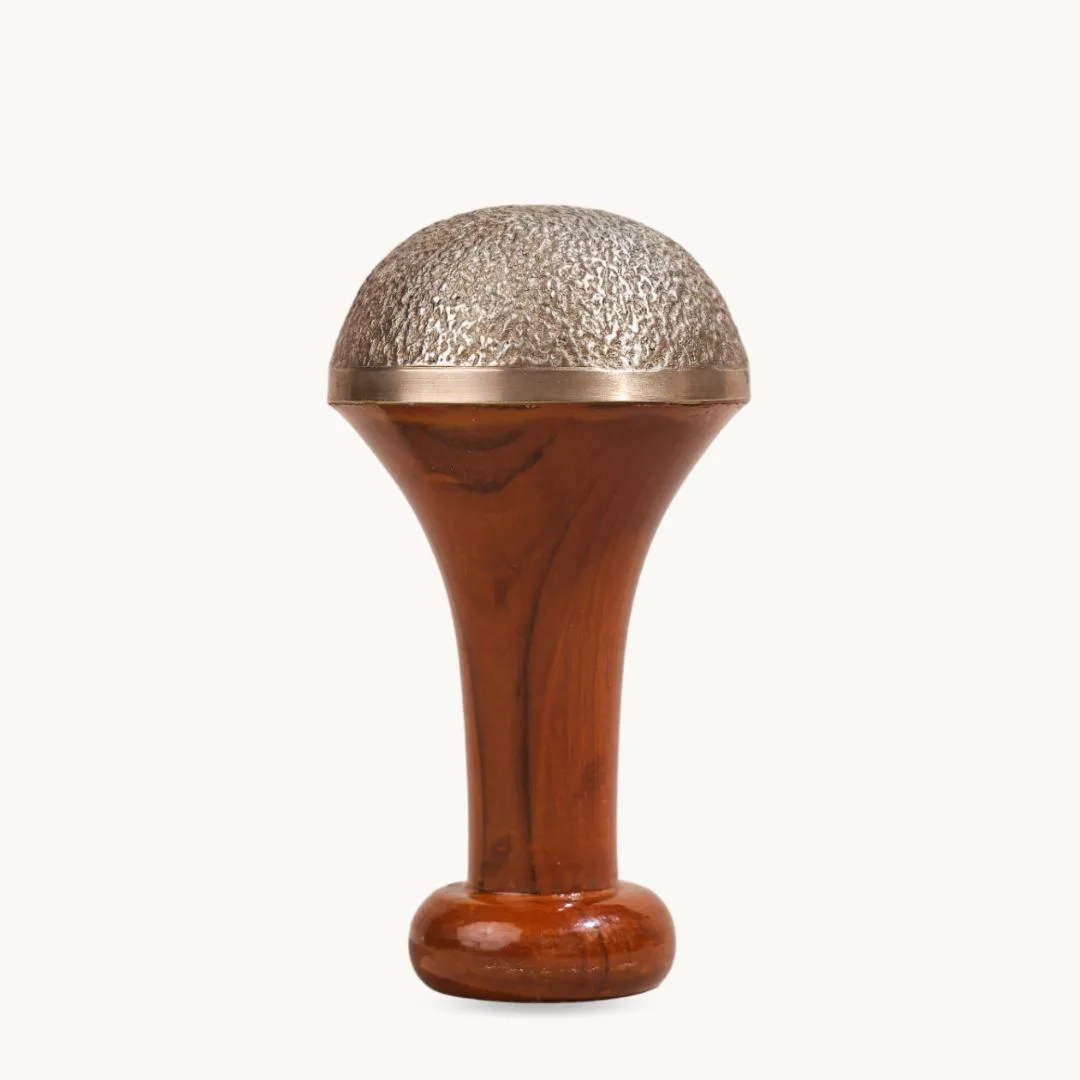
The Kansa Vatki is a small dome-shaped bowl of Kansa, the bronze of copper and tin, made for the feet. What a Vatki is and what it is called in English is explained in our Kansa Vatki guide. This page is about the practice: the classical foot massage, Padabhyanga, done with the bowl in the evening, step by step.
The classical texts give the feet a special place in the daily routine. The Ashtanga Hridayam describes foot oiling as part of Dinacharya and places it in the evening, before sleep; the soles are where classical anatomy places Marma points such as Talahridaya, Kshipra and Kurcha. The Kansa Vatki lets the oil and the slow, circular strokes reach the whole sole evenly.
Kansa bowl foot massage: what you need
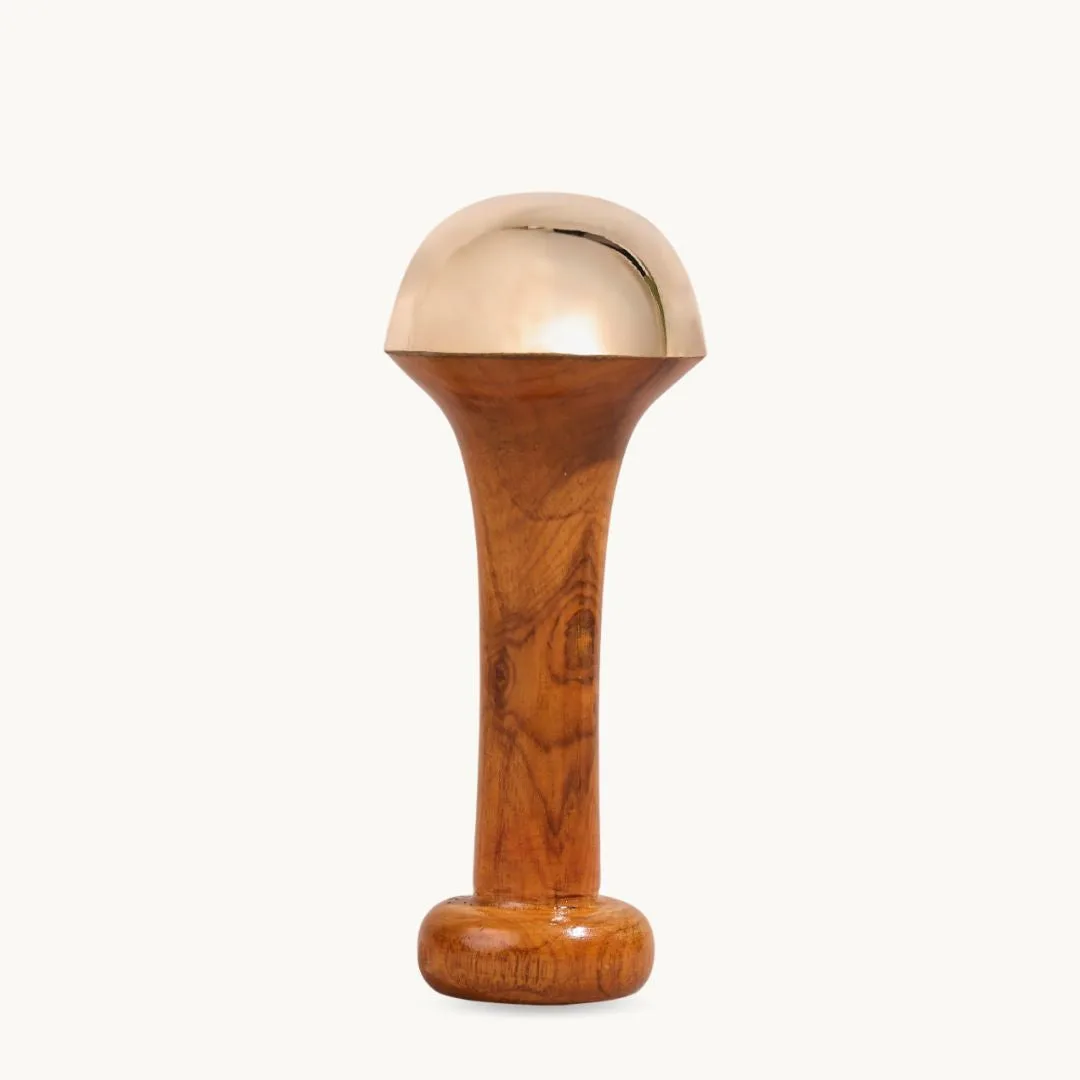
- A Kansa Vatki bowl, or the Kansa Vatki wand with a handle.
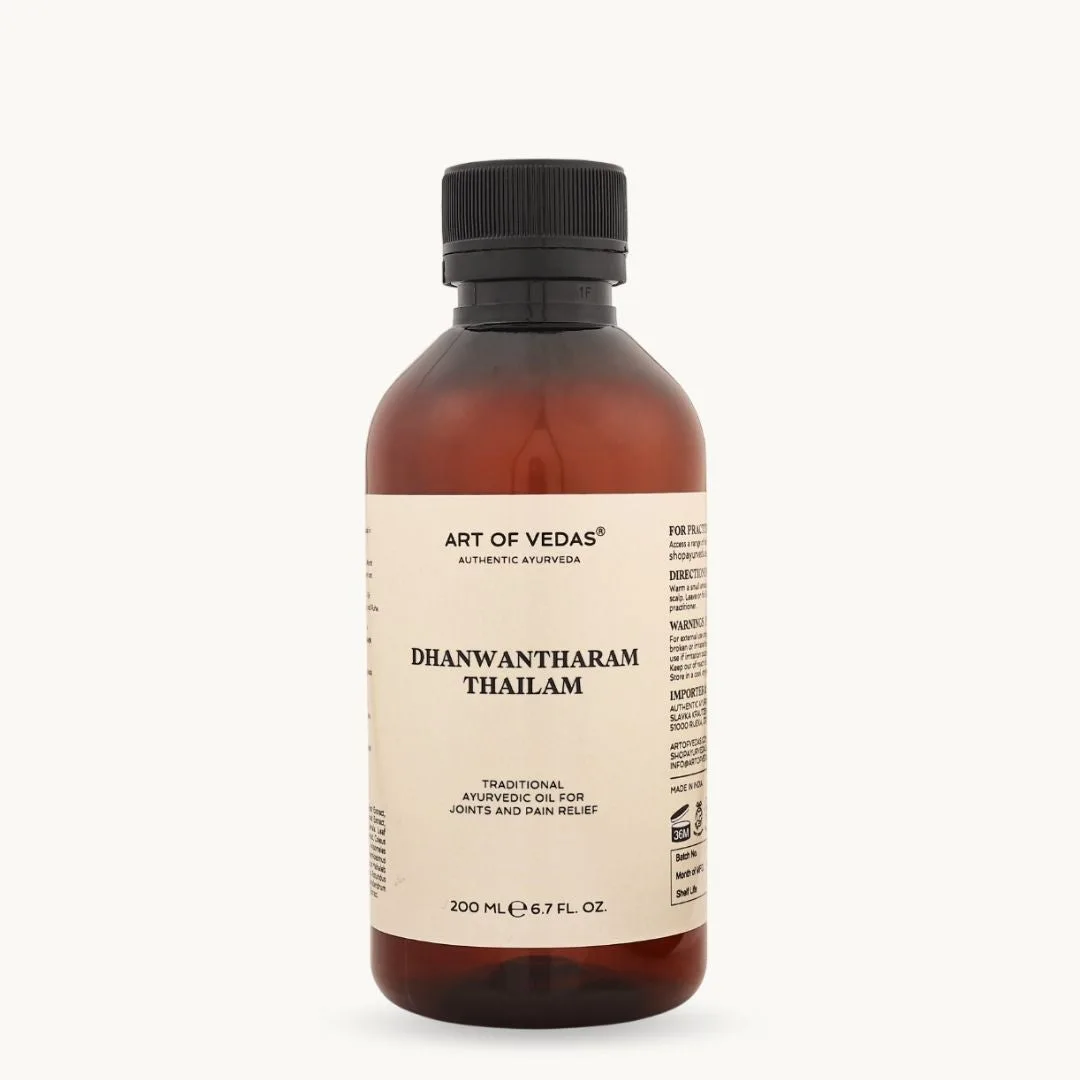
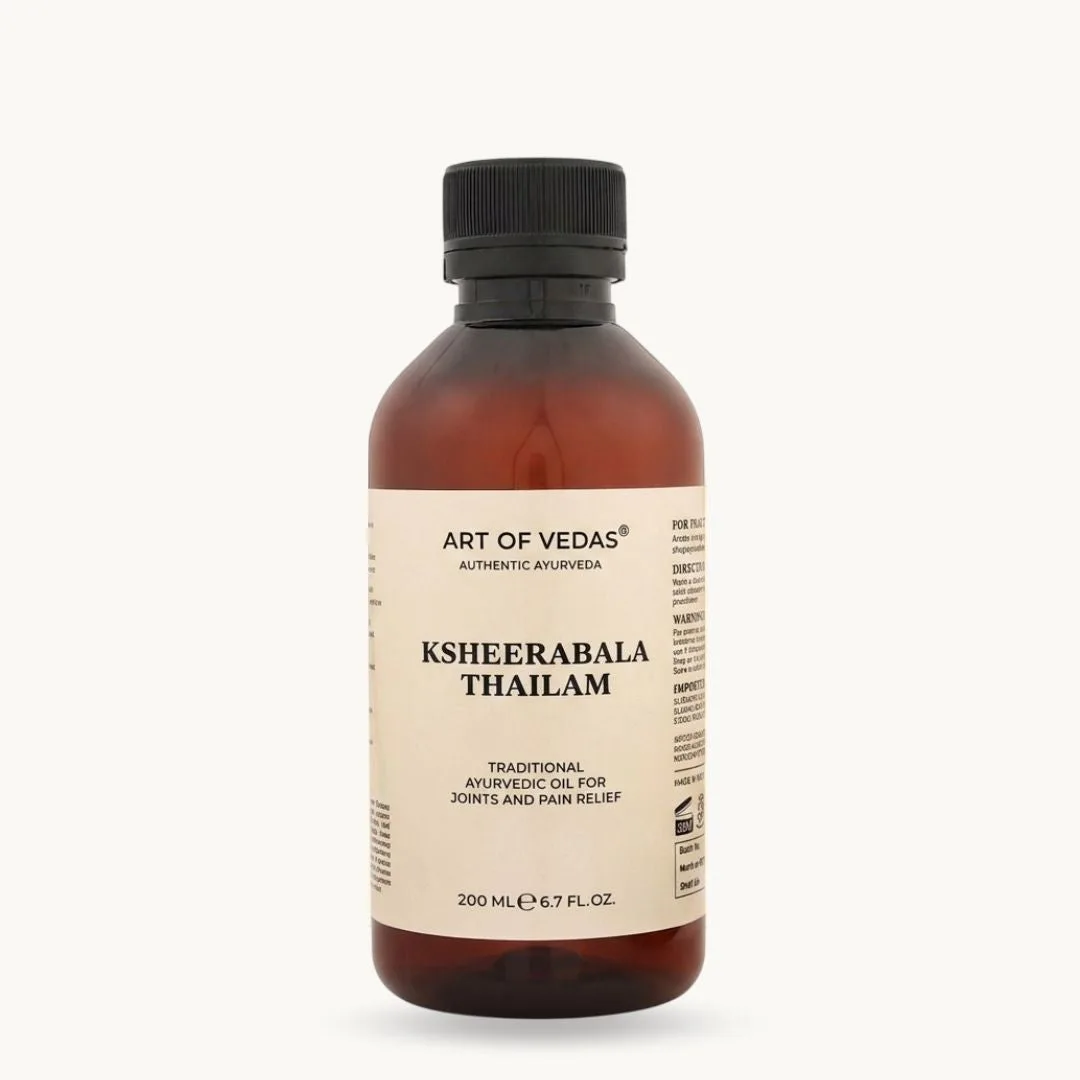
- Warm oil: plain sesame oil, Sahacharadi Thailam, the classical choice for the feet and lower legs, Dhanwantharam Thailam or, in the warm season, Ksheerabala Thailam.
- A towel, a pair of cotton socks and 15 to 20 quiet minutes.
Kansa bowl foot massage step by step
- Warm the oil. Stand the bottle in warm water for a few minutes. The oil should feel pleasantly warm, never hot.
- Sit comfortably. Sit on a chair or on the floor on a towel, with one foot resting on the opposite thigh.
- Oil the first foot. Spread about a teaspoon of warm oil over the sole, the heel and around the ankle, enough for the skin to feel slippery.
- Begin at the centre of the sole. Hold the bowl in your palm, dome facing down, and rest it on the centre of the sole with light pressure for a few breaths.
- Circle over the whole sole. Move the dome in slow circles, clockwise and then anticlockwise, from the heel to the ball of the foot and across the arch. Use lighter pressure over the arch, firmer circles on the heel and the ball of the foot.
- Ankle and sides. Glide the bowl in small circles around the ankle bones and along the sides of the foot; the dome follows these curves naturally.
- Base of the toes. Use the rim of the bowl gently along the base of the toes and between them.
- Finish the first foot. End with a few long strokes from the heel to the toes. Five to ten minutes per foot is enough.
- Repeat on the other foot with fresh oil if needed.
- Rest. Wipe off excess oil with the towel, put on cotton socks and rest for a few minutes before you stand up.
The Marma points of the sole
Classical Ayurvedic anatomy describes several Marma points on the foot. Talahridaya lies at the centre of the sole, Kshipra between the first and second toe, Kurcha at the ball of the foot and Gulpha at the ankle. In the foot massage they are not pressed hard: the bowl rests on them for a few breaths and then circles over them slowly. More about these points is in the Marma points of the feet, and about the classical foot massage itself in what Padabhyanga is.
Why the evening
The tradition places the foot massage at the close of the day, about 15 to 30 minutes before bed, as a calm, downward-directed ritual with Vata in mind. It pairs naturally with an evening Abhyanga or a warm bath. Many people simply enjoy it as a quiet pause without screens. Daily practice is the classical recommendation; three to five evenings a week is a common rhythm.
What you may notice
Most people describe a pleasant warmth in the feet and a sense of calm during the massage. A faint grey trace on the skin, or a slight yellowing of the oil, is common with Kansa and wipes away with the towel. Why it appears and when to pause are explained on the page about Kansa side effects and skin notes.
When to skip the foot massage
- On broken, irritated or very sensitive skin.
- When you feel unwell, and directly after a heavy meal.
- In pregnancy, while breastfeeding, for children or when you take medication, ask a qualified Ayurvedic practitioner or your doctor first.
Caring for your Kansa Vatki
After use, wipe the bowl clean with a soft cloth, wash it with warm water if needed and dry it well. If the metal darkens over time, rub it with lemon juice and salt, rinse and dry. Do not use chemical metal polish, as its residue should not touch the skin. Store the bowl in a dry place; Kansa is a durable alloy that lasts for many years with simple care.
Other Kansa tools for the feet and body
For the feet you can also use a Kansa wand: see how to use a Kansa wand on the feet, and Kansa wand or Vatki for the difference. For the body, the Kansa Abhyanga wand is the classical tool. All Art of Vedas Kansa tools are in the Kansa tool collection.
Frequently asked questions
How do you do a Kansa bowl foot massage? Warm a teaspoon of oil on the sole, then move the dome of the Kansa Vatki in slow circles from the heel to the ball of the foot, around the ankle and along the base of the toes, five to ten minutes per foot, and repeat on the other foot.
When is the best time for a Kansa Vatki foot massage? In the evening, about 15 to 30 minutes before bed, as the classical texts describe. Some people also enjoy it after a long day on their feet.
Which oil is used for the Kansa bowl foot massage? Sesame oil or a classical Thailam such as Sahacharadi Thailam or Dhanwantharam Thailam, warmed slightly. In the warm season many prefer Ksheerabala Thailam.
How often should I do the Kansa Vatki foot massage? Daily is the classical recommendation; three to five evenings a week is a common rhythm. Regularity matters more than length.
Can the Kansa Vatki be used on other parts of the body? The bowl is shaped for the feet and can also be used on the palms. For the body, the Kansa Abhyanga wand is better suited, and for the face the Kansa wand.