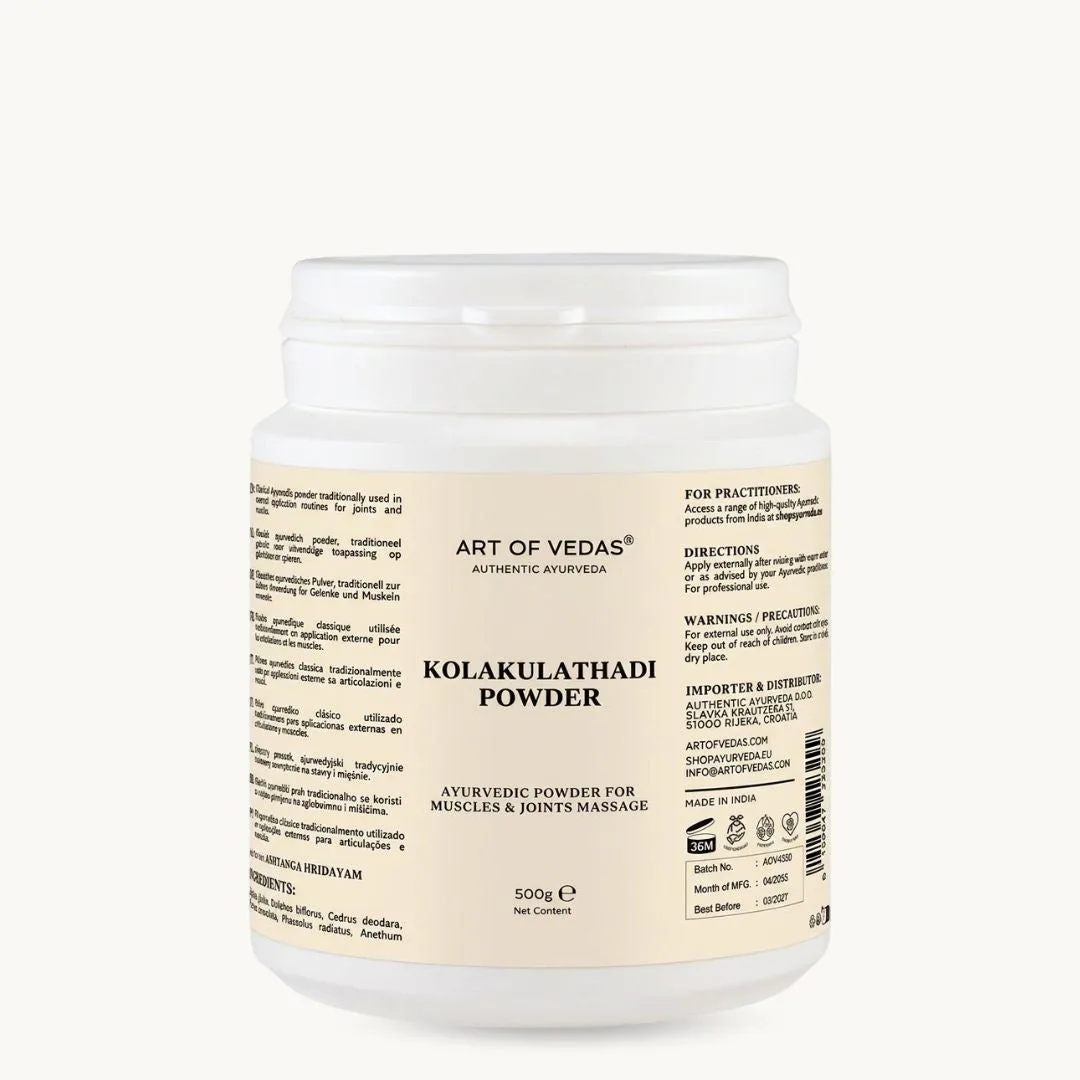
A Kolakulathadi Choornam olyan klasszikus por, amelyet Indián kívül sokaknak soha nem magyarázott el senki. Melegítő, külsőleg használt keverék, amely a Kulattha nevű apró hüvelyes és illatos botanikumok egy csoportja köré épül, és nem a teáscsészéhez, hanem a hagyományos ájurvédikus testmunka kétkezes világához tartozik. Az Art of Vedas útmutatója sorra veszi, mi ez a Choornam, mely összetevők adják a karakterét, és milyen klasszikus gyakorlatokban, az Udvartanában és a Kizhiben használják.
A por klasszikus eredete
A Kolakulathadi név magára az összetételre utal: a középpontban Kulattha, az apró indiai hüvelyes (Macrotyloma uniflorum) áll, utána pedig az a klasszikus utótag következik, amely annyit tesz: és a többiek. Choornamról van szó, klasszikus ájurvédikus porról, amelyet a hagyomány külsőleges alkalmazásra készít. Ami a legtöbb Churnát megkülönbözteti ettől: azokat szájon át veszik be, ez viszont a test felszínébe bedolgozott porok családjába tartozik, és éppen ez a különbség a megértés kulcsa.
Összetevők és karakter
A meghatározó összetevő Kulattha, az apró, szívós hüvelyes, amelyet a klasszikus hagyomány régóta becsül melegítő, szárító természetéért. Ehhez a keverék illatos és melegítő botanikumok csoportját adja, egyes vidéki változatokban pedig a klasszikus Kolarakku, a Laksha néven ismert sellakgyanta egyik formája adja a por nevét és karakterének egy részét. Az eredmény durva szemcséjű, melegítő por, száraz, élénkítő tapintással, amelyet nem lenyelni, hanem fürgén a bőrön végigmozgatni való.
A hagyomány a Kolakulathadi Choornamot a következőkkel hozza összefüggésbe:
- Melegítő, száraz külsőleges masszázs az Udvartana hagyományában
- Felhasználás meleg gyógynövénylabdacsokban, azaz Kizhiben, a testre helyezve
- Kapha és a nehézség köré épülő rutinok, a kényelem és az egyéni ízlés keretében
- A fürge, porral végzett testkezelés felfrissítő érzete
Hogyan használják a Choornamot
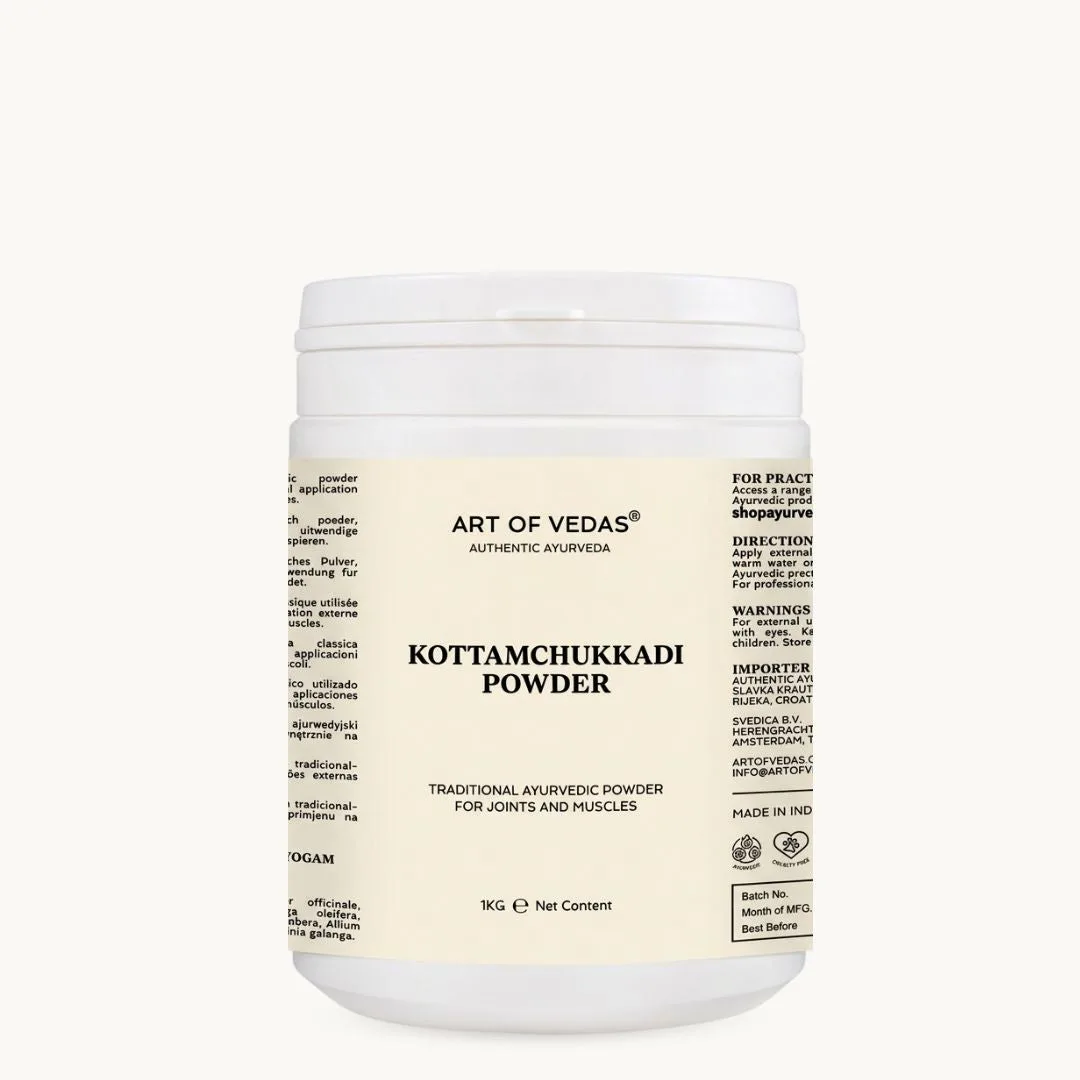
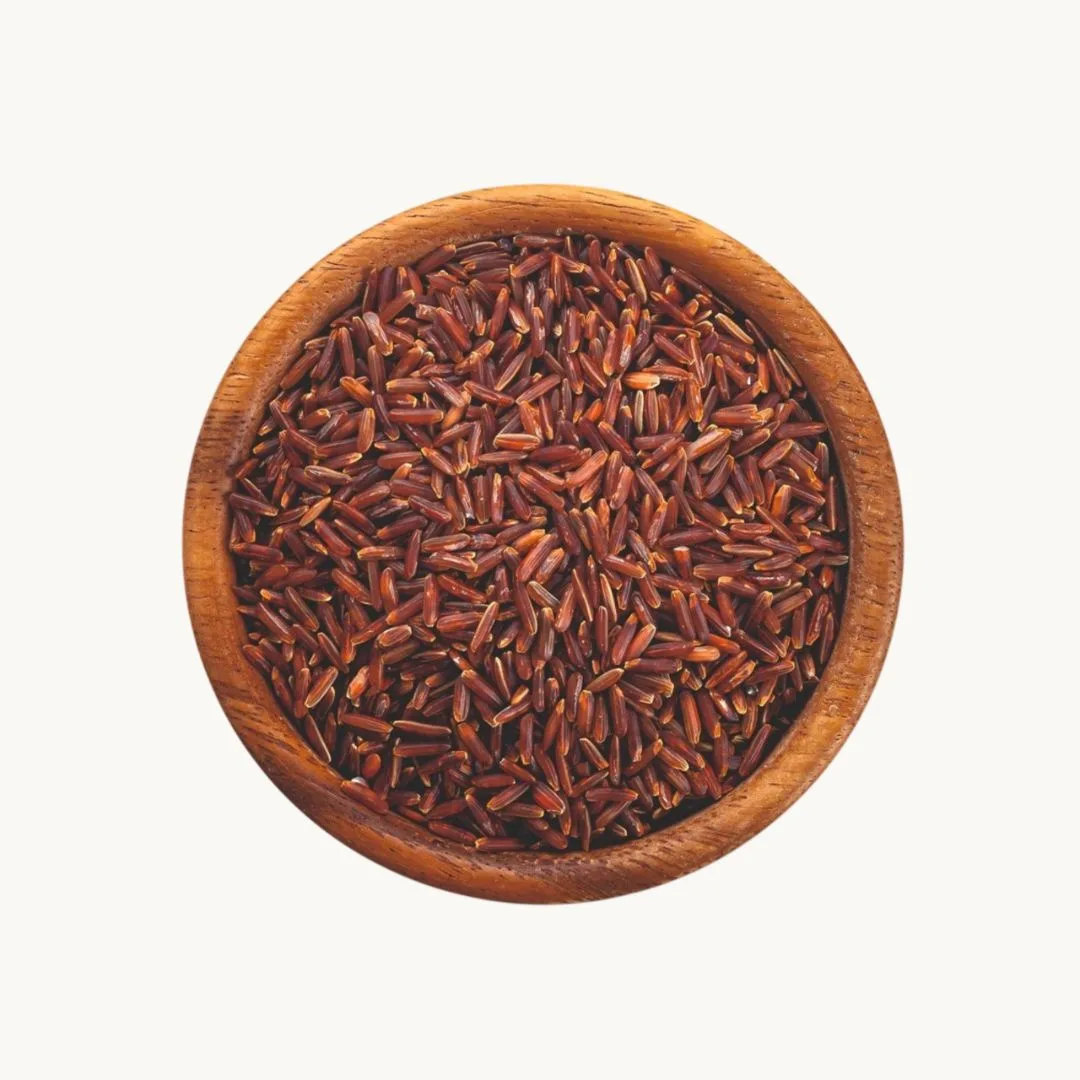
A klasszikus eljárás az Udvartana: erőteljes, száraz pormasszázs, amelynek során a Choornamot végigdolgozzák a testen, rendszerint a szőrzet irányával szemben, hogy a bőr élénknek és frissnek érződjön. Ugyanezt a port vászonlabdacsokba is kötik és felmelegítik a Kizhihez, a klasszikus labdacsos masszázshoz. Mivel külsőleges gyakorlatokról van szó, a por a kezelőszoba és az otthoni rítus eszköze, nem pedig szájon át bevett készítmény. A Kolakulathadi porunk a klasszikus előírást követi, és természetesen kerül egy polcra a Kottamchukkadi porral, egy másik külsőleges klasszikussal, valamint a Navara rizzsel, azzal a tápláló rizzsel, amely a híres rizslabdacs-hagyomány alapja.
A sellakanyagról, amely a por nevének egy részét adja, a Laksha porról és a Kolarakkuról szóló útmutatónk szól. Hogy por, olaj és labdacs miként dolgozik együtt, arról a Kottamchukkadi por, olaj és Kizhi című írás számol be, magáról a labdacshagyományról pedig a Kizhi Kuzhambuval című útmutató.
Ki nyúl a Kolakulathadi Choornamért
Ez a por a szakembereknek és azoknak az otthoni kedvelőknek szól, akik örömüket lelik a száraz masszázs és a meleg labdacsok kétkezes hagyományában. Nem diagnózis, hanem ízlés és szokás alapján választják, és természeténél fogva külsőleges. Hogy miként érdemes vele dolgozni, arra képzett ájurvédikus szakember vagy képzett terapeuta a megfelelő útmutató.
Gyakori kérdések
Mi a Kolakulathadi Choornam?
Klasszikus, külsőleg használt por, amely Kulattha és melegítő botanikumok köré épül, és a száraz masszázs, valamint a labdacsos hagyomány része.
Szájon át kell bevenni a Kolakulathadi Choornamot?
Nem. A külsőleges hagyományhoz tartozik: Udvartana masszázsban dolgozzák be a bőrbe, vagy meleg Kizhi labdacsokba kötik.
Mi a fő összetevő?
A meghatározó összetevő Kulattha, az apró indiai hüvelyes, amelyhez melegítő, illatos botanikumok csoportja társul.
Mi az Udvartana?
Az Udvartana a klasszikus száraz pormasszázs, amelynek során melegítő Churnát dolgoznak végig fürgén a testen.
Hogyan kapcsolódik Lakshához?
Egyes vidéki változatok tartalmazzák a Kolarakkut, a Laksha sellakgyanta egyik formáját, ami a por nevében is tükröződik.
„Ez a termék étrend-kiegészítő, és nem alkalmas betegségek diagnosztizálására, kezelésére, gyógyítására vagy megelőzésére.”